Making the case for harm reduction and evidence-based solutions at the capitol
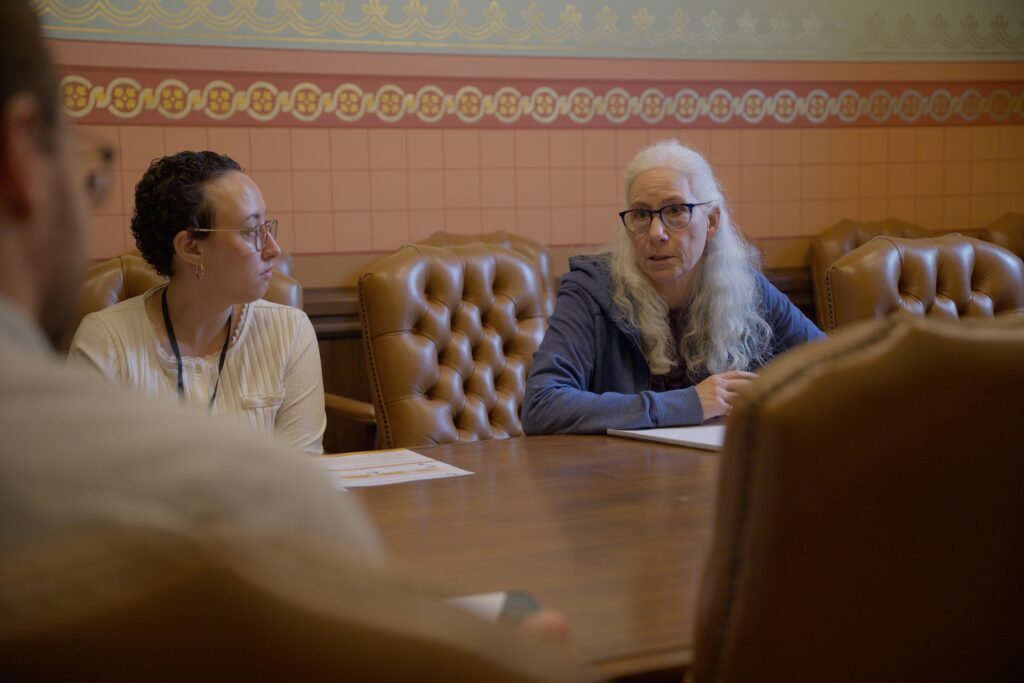
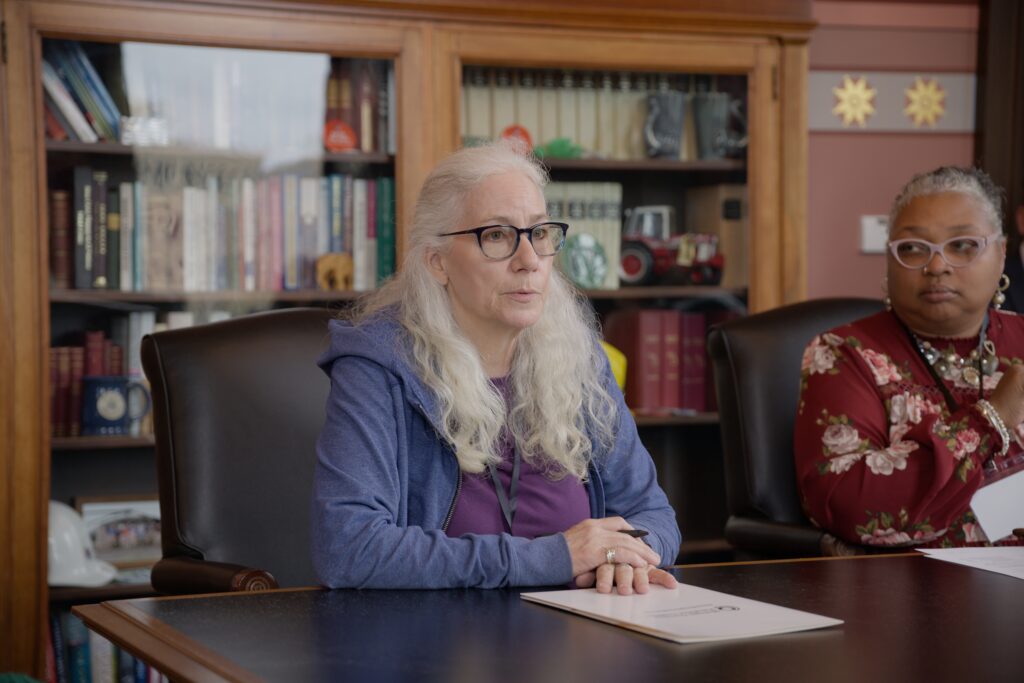
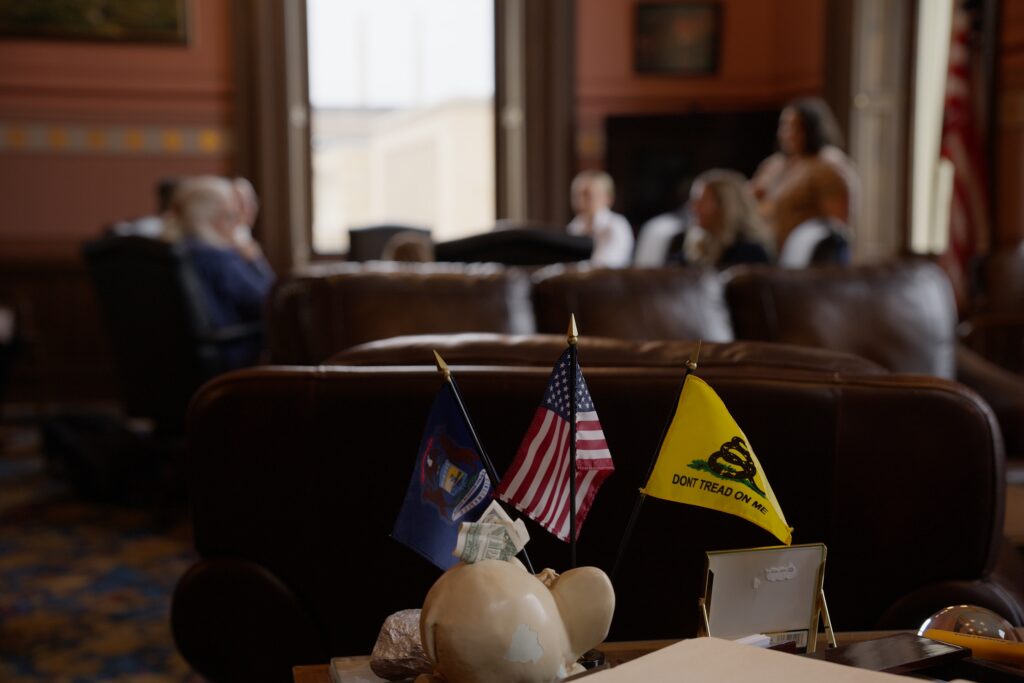
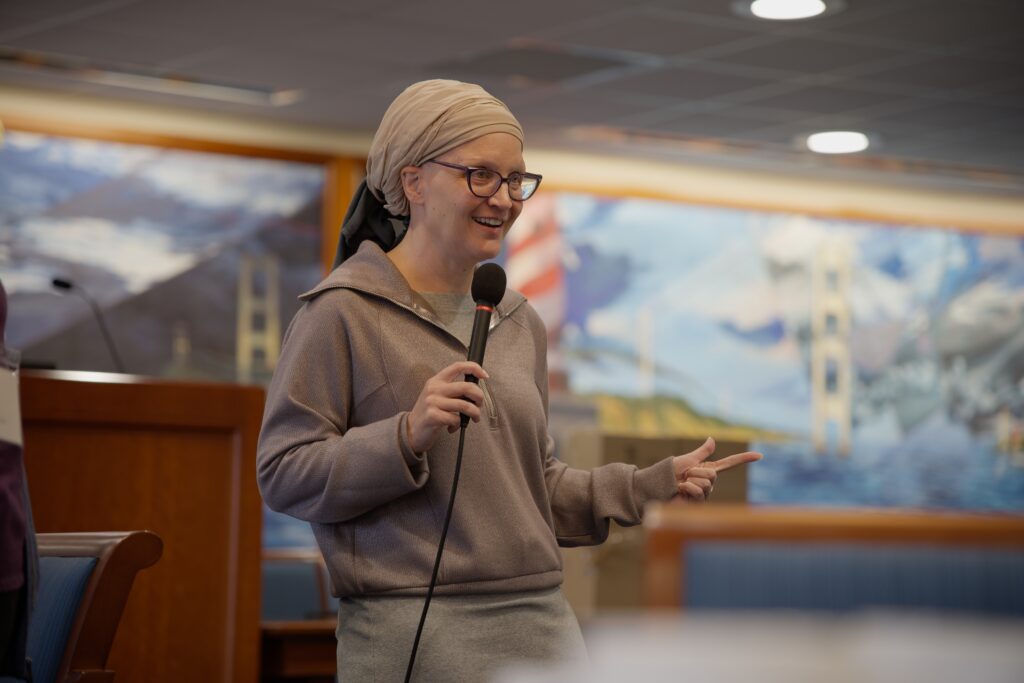
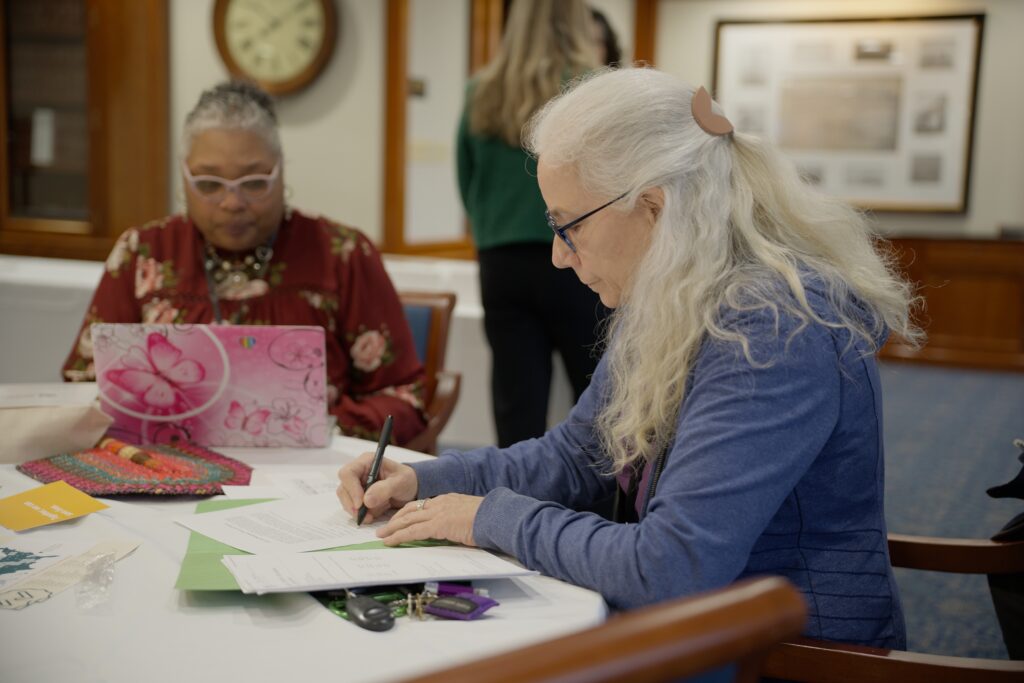
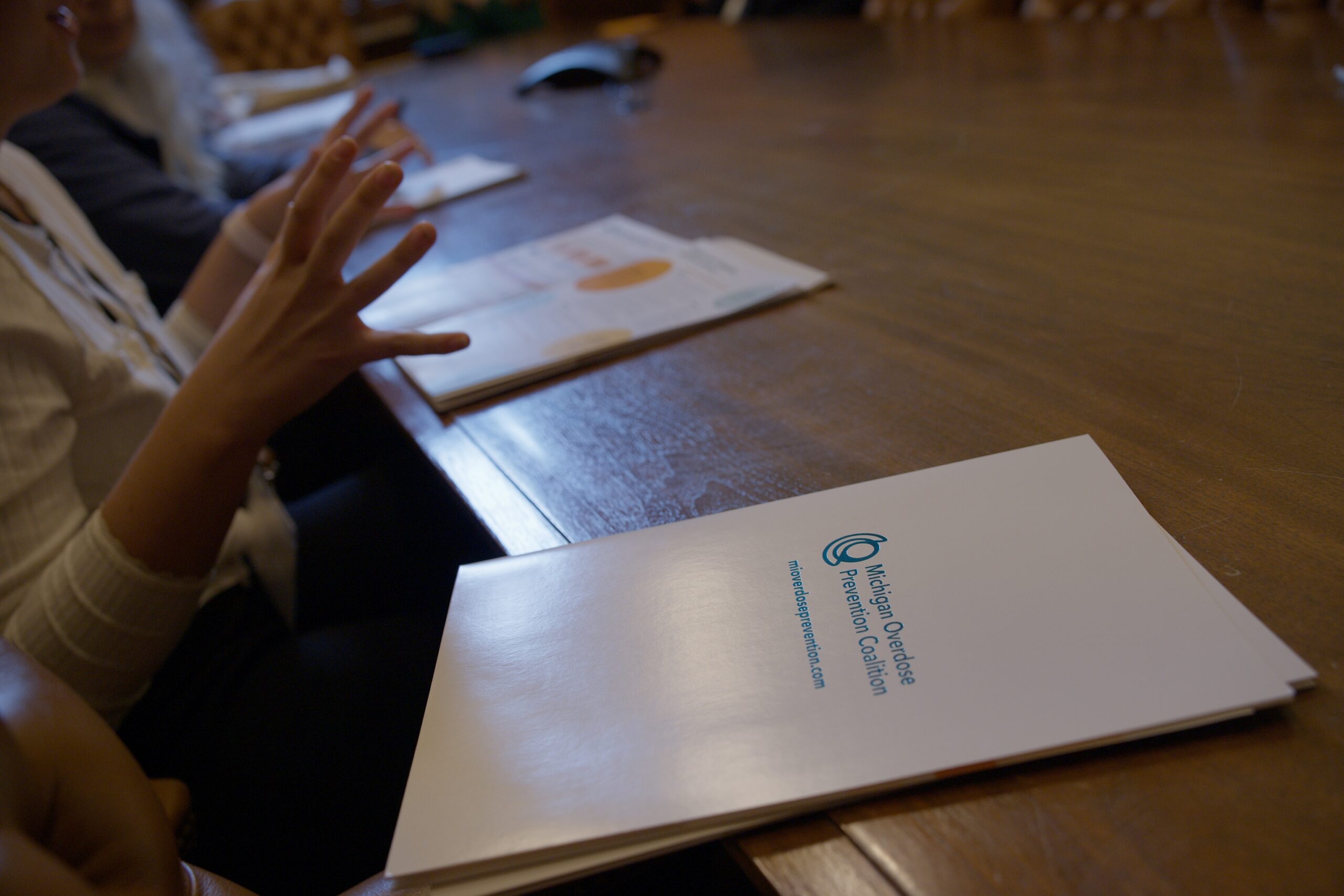
Thank you to the Michigan Overdose Prevention Coalition advocates who discussed the importance of harm reduction and syringe service programs with legislators to reduce overdose fatalities in Michigan.
Why we were there
The opioid crisis and infectious disease risk in our state require action.
- Between 1999 and 2022, 727,000 people died from opioid overdoses nationwide.
- The CDC warns of a high risk of an injection-fueled HIV outbreak in 11 counties in Michigan’s northern Lower Peninsula. MDHHS has identified 18 Michigan counties as “most vulnerable” for an HIV outbreak among people who inject drugs.
In addition to the tragic loss of life, the healthcare costs associated with substance use — including the spread of infectious disease as well as skin, soft tissue and vascular infections — are estimated at more than $400 million per year in Michigan alone.
Legal barriers to public health
During meetings with legislators, advocates explained that while some state provisions exist, conflicting local regulations are costing lives.
Currently, many local governments criminalize activities related to drug paraphernalia without exemptions for public health services. This creates an environment where:
- Health workers are prosecuted. SSP staff and participants can face criminal charges for supplying and accessing clean needles and discarding used ones safely.
- Disease spreads unchecked. Limiting access to SSPs inhibits access to tools that prevent the spread of infectious diseases like hepatitis and HIV.
The path forward
Advocates voiced their support for a legal framework that prioritizes public health over criminalization. The goal is to grant statewide authorization for SSPs and ensure legal protections.
Advocates emphasized that the status quo is unsustainable due to financial costs from preventable infections and dangers to community health when life-saving harm reduction tools are restricted by outdated laws.
Thank you again to those who showed up and made it clear in their meetings that harm reduction and SSPs save lives.